
Jak znaleźć najlepszą pincetę – do brwi, wąsika i drzazg

O tym, która pinceta jest właściwa, decyduje niemal wyłącznie kształt końcówki – i to, czy czysto się domyka. Cała reszta, od długości po wykończenie powierzchni, to komfort. Ten poradnik przyporządkowuje kształty końcówek zastosowaniom: brwi, wąsik, wrastające włosy, drzazgi i prace precyzyjne.
Jeśli wiedzą już Państwo, jakiego kształtu końcówki potrzebują: asortyment posortowany według form znajdą Państwo w dziale Pincety.
Test, który rozstrzyga o wszystkim
Proszę przyłożyć zamkniętą pincetę pod światło. Jeśli widać szczelinę między końcówkami, delikatne włoski będą się prześlizgiwać – niezależnie od tego, ile egzemplarz kosztował. Oba ramiona muszą dokładnie na siebie trafiać, bez bocznego przesunięcia. To jedyny test jakości, który mogą Państwo sami wykonać przed zakupem, i mówi on więcej niż jakakolwiek informacja o materiale.
Zalety i wady pincety
Za nią przemawia:
- precyzyjny chwyt, zależnie od kształtu końcówki do bardzo różnych zadań
- wszechstronność – kosmetyka, drzazgi, kleszcze, mechanika precyzyjna
- wytrzymała konstrukcja, znikome zużycie, brak części ruchomych
- higieniczna i łatwa do czyszczenia, można ją dezynfekować
Przeciw niej przemawia:
- wymaga wprawy przy bardzo delikatnych lub wrastających włosach – tu pomaga pinceta do drzazg lub pinceta z lupą
- bardzo ostre modele mogą zranić skórę; przy nieczystej pracy istnieje ryzyko zakażenia
- bardzo cienkie końcówki wyginają się, gdy pinceta leży luzem w torbie
- ograniczone przeniesienie siły – nieodpowiednia do mocno tkwiących ciał obcych
Jaki kształt końcówki do jakiego celu?

- Prosta – model standardowy do usuwania włosów na wszystkich partiach ciała.
- Skośna – uniwersalna do wyrywania brwi. Ścięta krawędź chwyta kilka włosków i dobrze przylega do linii skóry.
- Ostra – do drzazg w skórze i wrastających włosów.
- Zagięta – raczej do zastosowań precyzyjnych, jak zegarki i mikroelektronika.
| Kształt końcówki | Idealna do | Rekomendacja |
|---|---|---|
| Końcówka skośna | Wyrywanie brwi, włoski na twarzy, kilka włosków naraz | Pinceta skośna |
| Delikatna, ostra końcówka | Wrastające włosy, drzazgi, bardzo delikatne włoski | Pinceta do drzazg |
| Końcówka prosta | Standardowe usuwanie włosów na całym ciele | Pincety kosmetyczne |
| Z powiększeniem (lupa) | Widoczne uchwycenie bardzo delikatnych lub jasnych włosków | Pinceta z lupą |
| Automatyczna / do wyrywania | Szybkie, mało bolesne wyrywanie wielu włosów | Pinceta automatyczna |
| Zagięta / wygięta | Mechanika precyzyjna, laboratorium, trudno dostępne miejsca | Pinceta zegarmistrzowska |
Pasujące pincety do każdego celu
Do brwi, drzazg lub delikatnych prac – z precyzyjnie dopasowanymi końcówkami:
- Zestaw pincet 4 szt. – cztery kształty końcówek do każdego celu
- Pinceta do włosów – zagięta, skośna końcówka – klasyk do wyrywania brwi
- Pinceta do drzazg – super ostra, chwyta nawet najdrobniejsze drzazgi
- Dreiturm pinceta, skośna końcówka – Made in Solingen
Formy specjalne
Pinceta z lupą

Pinceta z lupą – z dwu- do czterokrotnym powiększeniem, aby bardzo delikatne lub jasne włoski w ogóle zobaczyć i pewnie chwycić.
Pinceta zegarmistrzowska

Pinceta zegarmistrzowska – skośna, wygięta końcówka do delikatnych prac mechanicznych. Używana także do usuwania zaskórników i wrastających włosów.
Pinceta automatyczna

Pinceta automatyczna – chwyta i ciągnie samoczynnie. Dzięki szybkiemu ruchowi wyrywanie odczuwane jest jako wyraźnie mniej bolesne.
Pinceta ze światłem

Pinceta ze światłem LED – do słabo oświetlonych miejsc, na przykład w podróży albo w hotelowej łazience.
Pinceta do rzęs
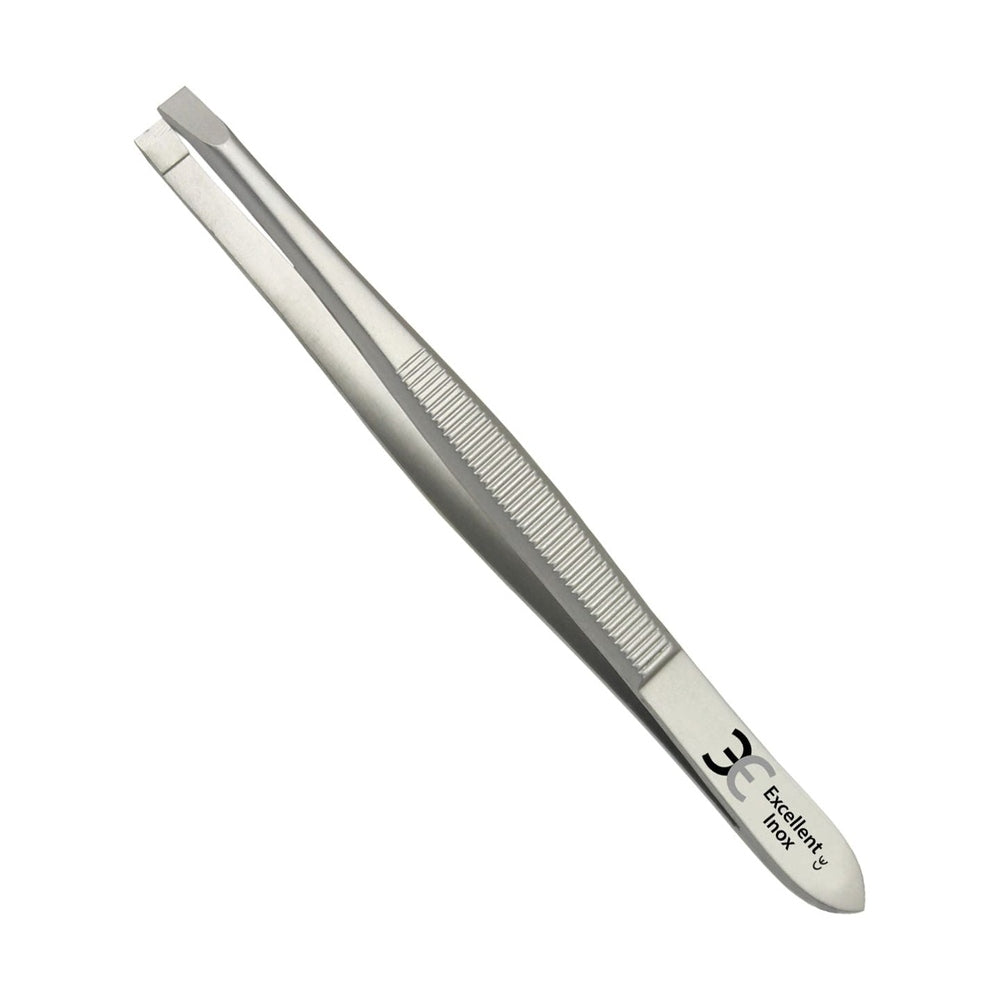
Skośna końcówka – kąt jest dostosowany do wyrywania brwi i usuwania włosków z twarzy i chwyta kilka włosków naraz.
Pinceta do drzazg

Delikatna, ostra pinceta – do usuwania drzazg i wrastających włosków na twarzy. Sięga także tam, gdzie skośna końcówka już nie chwyta.
Zestaw pincet

Zestaw pincet 4-częściowy – cztery kształty końcówek w jednym etui. Sensowny, gdy nie wiedzą Państwo, która forma Państwu odpowiada.
Pincety techniczne i laboratoryjne


Zagięta pinceta laboratoryjna ze stali nierdzewnej umożliwia dokładną pracę w laboratorium. Ostrymi, radełkowanymi końcami można pewnie chwytać wrażliwe materiały, tkanki lub próbki; radełkowanie na uchwycie zapewnia antypoślizgowy chwyt. Odpowiednia do chemii, farmacji, kosmetyki oraz branży Food & Beverage.
Pincety kosmetyczne są zwykle krótsze, modele techniczne do akwarystyki, grilla czy elektroniki wyraźnie dłuższe. Przegląd znajdą Państwo w dziale Pincety techniczne i specjalne.
Wyrywanie brwi pincetą – krok po kroku
- Proszę oczyścić i zdezynfekować pincetę przed użyciem.
- Proszę przeczesać brwi szczoteczką zgodnie z kierunkiem wzrostu, aby zobaczyć ich naturalny kształt.
- Proszę wyrywać pojedyncze włoski zawsze zgodnie z kierunkiem wzrostu i tuż przy cebulce – tak unikną Państwo złamanych włosków i zaczerwienień.
- Proszę pracować przy dobrym świetle, w razie potrzeby z pincetą ze światłem LED lub pincetą z lupą.
- Proszę schłodzić i uspokoić skórę po wyrywaniu czystą, chłodną ściereczką.
Bezpieczne usuwanie wrastających włosów i drzazg
- Proszę wcześniej zmiękczyć skórę ciepłą wodą i zdezynfekować miejsce.
- Proszę użyć delikatnej, ostrej pincety (na przykład pincety do drzazg) – tylko tak da się celowo chwycić włos lub drzazgę.
- Proszę chwycić włos możliwie blisko skóry i wyciągnąć go zgodnie z kierunkiem wzrostu, nie rozdrapując skóry.
- Proszę następnie ponownie zdezynfekować miejsce.
- Uwaga: Przy głęboko wrastających włosach, stanach zapalnych lub ropie proszę nie pracować dalej samodzielnie – proszę udać się do dermatologa lub kosmetyczki. Istnieje ryzyko zakażenia.
Szczegółowo: Jak prawidłowo usuwać drzazgi
Pielęgnacja
- Po każdym użyciu czyścić i dezynfekować końcówki, na przykład alkoholem.
- Przechowywać w suchym i zabezpieczonym miejscu – najlepiej w etui. Wygiętej końcówki praktycznie nie da się przywrócić.
- Nie używać niezgodnie z przeznaczeniem jako narzędzia do twardych przedmiotów; delikatne końcówki odginają się przy tym.
Pochodzenie naszych pincet
Oferujemy pincety z różnych zakładów i przy każdym produkcie podajemy, skąd pochodzi:
- Produkcja solingeńska – od Dreiturm, Erbe i Niegeloh. Szlif ręczny, możliwość ostrzenia, w odpowiedniej cenie.
- Medyczne pincety precyzyjne RUCK – produkowane w Badenii-Wirtembergii, zaprojektowane pod reprocesowanie w autoklawie.
- Serie przystępne cenowo – produkowane w Pakistanie, jednym z tradycyjnych ośrodków wytwarzania narzędzi. Dobra jakość użytkowa w niskiej cenie.
Kraj pochodzenia podany jest przy każdym produkcie w opisie. Jeśli zależy Państwu na produkcji solingeńskiej, proszę zwracać uwagę na marki Dreiturm, Erbe i Niegeloh.
Częste pytania o pincety
Która pinceta nadaje się najlepiej do brwi?
Do brwi najlepiej nadaje się pinceta ze skośną końcówką. Kąt pozwala precyzyjnie chwytać pojedyncze włoski i wyrywać płasko wzdłuż linii brwi. Przy bardzo delikatnych lub jasnych włoskach dodatkowo pomocna jest pinceta ostra lub pinceta z lupą.
Która pinceta do wrastających włosów i drzazg?
Delikatna, ostro zbiegająca się pinceta (pinceta do drzazg) jest idealna, ponieważ pozwala celowo chwycić także bardzo cienkie włosy i głęboko tkwiące drzazgi. Proszę zdezynfekować narzędzie przed użyciem i po nim. Przy stanach zapalnych lepiej udać się do dermatologa.
Która pinceta do bardzo delikatnych lub jasnych włosków na twarzy?
Do delikatnych włosków zalecana jest pinceta ostra lub pinceta z lupą o 2- do 4-krotnym powiększeniu, aby mogli Państwo rozpoznać i pewnie chwycić nawet ledwo widoczne włoski.
Pinceta prosta czy skośna – co jest lepsze?
Obie mają swoje mocne strony: skośna końcówka to uniwersalne narzędzie do wyrywania brwi i włosków z twarzy, prosta końcówka nadaje się do usuwania włosów na całym ciele. Kto chce pokryć jedno i drugie, sięga po zestaw pincet.
Po czym poznam dobrą pincetę?
Proszę przyłożyć zamkniętą pincetę pod światło. Końcówki muszą stykać się równo i bez bocznego przesunięcia. Jeśli widać szczelinę, delikatne włoski będą się prześlizgiwać – niezależnie od ceny.
Jak prawidłowo czyścić i pielęgnować pincetę?
Proszę czyścić pincetę po każdym użyciu i dezynfekować końcówki, na przykład alkoholem. Proszę przechowywać ją w suchym i zabezpieczonym miejscu, najlepiej w etui, aby końcówki się nie wyginały.
Dalsze poradniki zakupowe
- Najlepsze nożyczki do skórek – superostre, wieżowe czy wygięte
- Najlepsze cążki do skórek – szerokość ostrza i zastosowanie
- Najlepsze nożyczki do paznokci – porównanie kształtów i szlifów
- Najlepsze cążki do paznokci – przekładnia, rodzaj sprężyny i kształt ostrza
- Najlepszy obcinacz do paznokci – modele w porównaniu
- Najlepszy pilnik do paznokci – szkło, szafir, metal i ceramika
- Jak prawidłowo usuwać drzazgi
- Która marka pasuje do kogo? Dreiturm, Erbe i RUCK w porównaniu
Pasujące kategorie: Wszystkie pincety, Pincety kosmetyczne, Pincety do drzazg, Pincety medyczne, Pincety techniczne
Pasujące produkty
 Pinceta z lupą 11 cm, ostra6,99 €
  Pinceta skośna, 9,5 cm2,99 €
  Pinceta do drzazg4,99 €
  Pinceta automatyczna do wyrywania włosów5,99 €
  Pinceta zegarmistrzowska3,99 €
  Zestaw pincet 4 szt.14,99 €
  Pinceta do włosów - zagięta, skośna końcówka7,99 €
  Dreiturm pinceta – skośna końcówka – Made in Solingen20,90 €
  Pinceta ze światłem5,99 €
  Erbe pinceta "perfect" skośna19,95 €