
Как найти лучший пинцет — для бровей, волосков над губой и заноз

Какой пинцет подойдёт, решает почти исключительно форма кончиков — и то, смыкаются ли они вплотную. Всё остальное, от длины до отделки поверхности, — комфорт. Это руководство соотносит формы кончиков с задачами: брови, волоски над губой, вросшие волосы, занозы и тонкие механические работы.
Если вы уже знаете, какая форма кончиков вам нужна: ассортимент, отсортированный по формам, — в разделе Пинцеты.
Проверка, которая решает всё
Поднесите закрытый пинцет к свету. Если между кончиками виден зазор, тонкие волоски будут проскальзывать — независимо от того, сколько экземпляр стоил. Обе бранши должны точно сходиться, без бокового смещения. Это единственная проверка качества, которую вы можете сделать сами перед покупкой, и она говорит больше, чем любые сведения о материале.
Преимущества и недостатки пинцета
За него говорит:
- точный захват, в зависимости от формы кончиков — для совершенно разных задач
- универсальность: косметика, занозы, клещи, точная механика
- прочная конструкция, почти нет износа, нет подвижных частей
- гигиеничен и легко чистится, поддаётся дезинфекции
Против него говорит:
- требует навыка при очень тонких или вросших волосах — здесь помогут пинцет для заноз или пинцет с лупой
- очень острые модели могут травмировать кожу; при неаккуратной работе есть риск инфекции
- очень тонкие кончики гнутся, если пинцет лежит в сумке без защиты
- ограниченная передача усилия — не подходит для прочно сидящих инородных тел
Какая форма кончиков для какой цели?

- Прямые — стандартная модель для удаления волос на всех участках тела.
- Скошенные — универсал для выщипывания бровей. Скошенный край захватывает несколько волосков и хорошо прилегает к линии кожи.
- Острые — для заноз в коже и вросших волос.
- Загнутые — скорее для точных механических задач, таких как часы и микроэлектроника.
| Форма кончиков | Идеально для | Рекомендация |
|---|---|---|
| Скошенный кончик | Выщипывание бровей, волоски на лице, несколько волосков сразу | Пинцет скошенный |
| Тонкий, острый кончик | Вросшие волосы, занозы, очень тонкие волоски | Пинцет для заноз |
| Прямой кончик | Стандартное удаление волос по всему телу | Косметические пинцеты |
| С увеличением (лупа) | Видимый захват очень тонких или светлых волосков | Пинцет с лупой |
| Автоматический / щипковый | Быстрое, малоболезненное выщипывание множества волос | Автоматический пинцет |
| Загнутый / изогнутый | Точная механика, лаборатория, труднодоступные места | Часовой пинцет |
Подходящие пинцеты для любой задачи
Для бровей, заноз или тонкой работы — с точно выверенными кончиками:
- Набор пинцетов, 4 шт. – четыре формы кончиков на любой случай
- Пинцет для волос – загнутый скошенный кончик – классика для выщипывания бровей
- Пинцет для заноз – сверхострый, захватывает даже мельчайшие занозы
- Dreiturm пинцет, скошенный кончик – Made in Solingen
Специальные формы
Пинцет с лупой

Пинцет с лупой — с двух- или четырёхкратным увеличением, чтобы вообще увидеть очень тонкие или светлые волоски и надёжно их захватить.
Часовой пинцет

Часовой пинцет — скошенный, изогнутый кончик для тонких механических работ. Используется также для удаления комедонов и вросших волос.
Автоматический пинцет

Автоматический пинцет — захватывает и тянет сам. Благодаря быстрому движению выщипывание ощущается заметно менее болезненным.
Пинцет с подсветкой

Пинцет со светодиодной подсветкой — для плохо освещённых мест, например в дороге или в гостиничной ванной.
Пинцет для ресниц
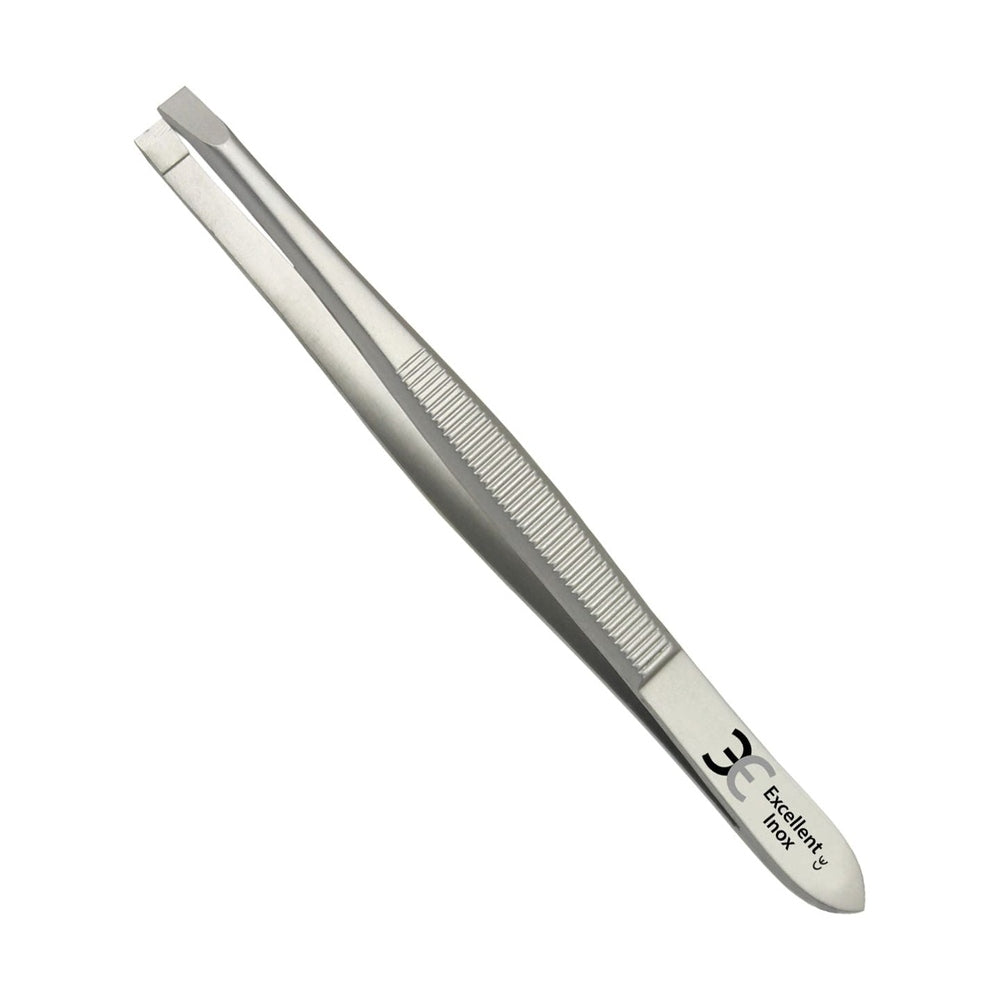
Скошенный кончик — угол рассчитан на выщипывание бровей и удаление волосков с лица и захватывает несколько волосков сразу.
Пинцет для заноз

Тонкий, острый пинцет — для удаления заноз и вросших волосков на лице. Достаёт и там, где скошенный кончик уже не захватывает.
Набор пинцетов

Набор пинцетов из 4 предметов — четыре формы кончиков в одном футляре. Разумно, если вы не знаете, какая форма вам подойдёт.
Технические и лабораторные пинцеты


Загнутый лабораторный пинцет из нержавеющей стали позволяет точно работать в лаборатории. Острыми, рифлёными концами можно надёжно захватывать чувствительные материалы, ткани или пробы; рифление на ручке обеспечивает нескользящий хват. Подходит для химии, фармацевтики, косметики, а также сферы Food & Beverage.
Косметические пинцеты обычно короче, технические модели для аквариумистики, гриля или электроники — заметно длиннее. Обзор — в разделе Технические и специальные пинцеты.
Выщипывание бровей пинцетом — шаг за шагом
- Очистите и продезинфицируйте пинцет перед применением.
- Расчешите брови щёточкой по направлению роста, чтобы увидеть их естественную форму.
- Выщипывайте отдельные волоски всегда по направлению роста и прямо у корня — так вы избежите обломанных волосков и покраснений.
- Работайте при хорошем освещении, при необходимости с пинцетом со светодиодной подсветкой или пинцетом с лупой.
- Охладите и успокойте кожу после выщипывания чистой прохладной салфеткой.
Безопасное удаление вросших волос и заноз
- Предварительно размягчите кожу тёплой водой и продезинфицируйте участок.
- Используйте тонкий, острый пинцет (например, пинцет для заноз) — только так можно точно захватить волос или занозу.
- Захватите волос как можно ближе к коже и вытяните его по направлению роста, не расцарапывая кожу.
- Затем снова продезинфицируйте участок.
- Примечание: При глубоко вросших волосах, воспалениях или гное не продолжайте самостоятельно — обратитесь к дерматологу или косметологу. Есть риск инфекции.
Подробно: Как правильно удалять занозы
Уход
- После каждого применения очищайте и дезинфицируйте кончики, например спиртом.
- Храните в сухом и защищённом месте — лучше всего в футляре. Погнутый кончик восстановить практически невозможно.
- Не используйте не по назначению как инструмент для твёрдых предметов; тонкие кончики при этом отгибаются.
Происхождение наших пинцетов
У нас есть пинцеты разного производства, и при каждом товаре мы указываем, откуда он:
- Золингенское производство — от Dreiturm, Erbe и Niegeloh. Ручная заточка, возможность правки, с соответствующей ценой.
- Медицинские прецизионные пинцеты RUCK — производятся в Баден-Вюртемберге, рассчитаны на обработку в автоклаве.
- Доступные по цене серии — производятся в Пакистане, одном из традиционных центров изготовления инструментов. Хорошее потребительское качество за небольшие деньги.
Страна происхождения указана у каждого товара в описании. Если вам важно золингенское производство, обращайте внимание на марки Dreiturm, Erbe и Niegeloh.
Частые вопросы о пинцетах
Какой пинцет лучше всего подходит для бровей?
Для бровей лучше всего подходит пинцет со скошенным кончиком. Угол позволяет точно захватывать отдельные волоски и выщипывать вдоль линии брови. При очень тонких или светлых волосках дополнительно полезны острый пинцет или пинцет с лупой.
Какой пинцет для вросших волос и заноз?
Тонкий, остро сходящийся пинцет (пинцет для заноз) идеален, потому что им можно точно захватить и очень тонкие волосы, и глубоко сидящие занозы. Дезинфицируйте инструмент до и после применения. При воспалениях лучше обратиться к дерматологу.
Какой пинцет для очень тонких или светлых волосков на лице?
Для тонких волосков рекомендуется острый пинцет или пинцет с лупой с 2–4-кратным увеличением, чтобы вы могли различить и надёжно захватить даже едва заметные волоски.
Прямой или скошенный пинцет — что лучше?
У обоих свои сильные стороны: скошенный кончик — универсал для выщипывания бровей и волосков на лице, прямой кончик подходит для удаления волос по всему телу. Кто хочет закрыть и то и другое, берёт набор пинцетов.
По каким признакам узнать хороший пинцет?
Поднесите закрытый пинцет к свету. Кончики должны сходиться вплотную и без бокового смещения. Если виден зазор, тонкие волоски будут проскальзывать — независимо от цены.
Как правильно чистить пинцет и ухаживать за ним?
Очищайте пинцет после каждого применения и дезинфицируйте кончики, например спиртом. Храните его в сухом и защищённом месте, лучше всего в футляре, чтобы кончики не гнулись.
Другие руководства по выбору
- Лучшие ножницы для кутикулы – сверхострые, башенные или изогнутые
- Лучшие кусачки для кутикулы – ширина кромки и применение
- Лучшие ножницы для ногтей – сравнение форм и заточки
- Лучшие кусачки для ногтей – передача, тип пружины и форма кромки
- Лучший книпсер для ногтей – модели в сравнении
- Лучшая пилка для ногтей – стекло, сапфир, металл и керамика
- Как правильно удалять занозы
- Какая марка кому подходит? Dreiturm, Erbe и RUCK в сравнении
Подходящие категории: Все пинцеты, Косметические пинцеты, Пинцеты для заноз, Медицинские пинцеты, Технические пинцеты
Подходящие продукты
 Пинцет с лупой 11 см, острый6,99 €
  Пинцет скошенный, 9,5 см2,99 €
  Пинцет для заноз4,99 €
  Автоматический пинцет для выщипывания волос5,99 €
  Часовой пинцет3,99 €
  Набор пинцетов, 4 шт.14,99 €
  Пинцет для волос - загнутый скошенный кончик7,99 €
  Dreiturm пинцет – скошенный кончик – Made in Solingen20,90 €
  Пинцет с подсветкой5,99 €
  Erbe пинцет "perfect" скошенный19,95 €