
Le migliori forbicine per pellicine: forbicine per la pelle a confronto

Forbicine per cuticole e forbicine per pelle indicano lo stesso strumento: forbicine a filo sottile per la pelle intorno all’unghia, non per l’unghia stessa. Questa guida risponde alle domande che si pongono prima dell’acquisto: quale forma di lama serve a che cosa, quando una tronchesina per cuticole è la scelta migliore e quali modelli sono adatti a neonati, anziani e mancini. Le forbicine per pellicine adatte le trova nella nostra panoramica – superappuntite, a punta a torre o curve.
Direttamente allo shop: forbicine per cuticole – superappuntite, a punta a torre, curve e per mancini.
→ Vedi le forbicine per cuticole · Tronchesine per cuticole · Spingicuticole
Quali sono le migliori forbicine per cuticole?
La risposta breve: non ne esiste una sola. Ci sono quattro forme di lama, e quale sia la migliore dipende da quanto è compatta la vostra cuticola e da quanto è ferma la vostra mano.
- Per la normale manicure a casa: la forma standard corta e leggermente curva. Segue il vallo ungueale ed è la più indulgente.
- Per residui di pelle molto sottili: superappuntite.
- Per cuticole più compatte e un lavoro quotidiano: a punta a torre.
- Per il massimo controllo con molti tagli: le forbicine per cuticole a molla.
Ciò che conta allo stesso modo per tutte e quattro: le lame devono chiudersi a filo. Tenete le forbicine chiuse controluce. Se si vede una fessura, tirano la pelle invece di reciderla – ed è proprio da qui che nascono i bordi lacerati che si volevano evitare.
Vantaggi e svantaggi di forbicine per cuticole
A favore:
- lavoro estremamente preciso su cuticole e residui di pelle sottili
- nettamente più leggere e filigranate di una tronchesina per cuticole
- si vede il taglio prima che avvenga – minore rischio di lesioni
- facili da pulire, igieniche da mantenere, riaffilabili
- ideali per i contorni intorno alle unghie delle mani e dei piedi
A sfavore:
- non adatte a zone di pelle molto spesse e callose – lì è meglio ricorrere alla tronchesina per cuticole o alla lima per calli
- richiedono una mano ferma e un po’ di pratica
- di solito servono più tagli piccoli invece di «uno e via»
- tagliando in modo troppo generoso si creano irritazioni e la pelle ricresce più dura
I nostri consigli per le forbicine per cuticole
Lame sottili e superappuntite per la cuticola:
- Forbicine per pelle extra lunghe & superappuntite – il nostro best seller, arrivano ovunque
- Forbicine per pelle Dovo – qualità premium da una casa tradizionale di Solingen
- Forbicine per pelle – lama a punta a torre – per residui di pelle particolarmente sottili
Le forme di lama a confronto
Superappuntite – per la massima precisione

Lama estremamente sottile e affusolata a punta. Raggiunge i più piccoli lembi di pelle che forbicine standard non vedono ed è adatta alla pelle lacerata ai bordi dell’unghia.
Utili se lavorate la cuticola in modo molto selettivo – per esempio con pelle sensibile o sottile. Richiedono precisione: chi trema, con queste punge più di quanto tagli.
A punta a torre – stabili e precise

Le lame si restringono verso l’alto – forgiate in modo più robusto rispetto alle varianti superappuntite, ma sempre con una punta precisa. Adatte a residui di pelle un po’ più compatti, diffuse nella cosmesi e nella podologia medica.
Curve – lungo il contorno naturale
La lama dolcemente arcuata segue la rotondità del vallo ungueale e del polpastrello. Durante il taglio la punta è rivolta lontano dal dito invece che verso di esso – per questo è la forma più sicura per casa.
Adatte a un taglio delicato e fluido senza impuntamenti, per la pelle sensibile e per tutti coloro che preferiscono un uso intuitivo. Con forbicine curve ben affilate si può di solito rinunciare alle rifiniture, perché i tagli seguono la linea naturale.
Dritte e larghe – per tagli definiti

Lama lineare, apprezzata dagli utenti che amano tagli controllati e «tecnici» e vogliono rimuovere in modo mirato singoli bordi di pelle o piccole callosità.
Forbicine per cuticole a molla – per il massimo controllo

Una molla tiene le forbicine aperte, si taglia premendole. La mano non deve riaprire le forbicine ogni volta – con molti tagli di seguito è percepibilmente più riposante.
Forbicine combinate – unghia e pelle in uno

Un misto di forbicine per unghie e per pelle: punta finemente affusolata per i residui di pelle, parte tagliente un po’ più larga per le unghie sottili. Utili se volete portare con voi un solo strumento per la manicure veloce. Per il puro lavoro di finezza sulla cuticola, le forbicine per cuticole specializzate restano più precise.
Forma delle impugnature: stretta o larga
- Anelli aderenti – le forbicine stanno in mano quasi come una penna. Più sensibilità, lavoro più fine.
- Anelli grandi con maggiore distanza – più comodi per mani grandi e per lavorare a lungo di seguito.
Entrambi tagliano allo stesso modo. È una questione di mano, non di qualità.
Perché molte forbicine per cuticole sono curve?
La forma curva si ispira alla forma naturale del vallo ungueale e alla rotondità del letto ungueale. Così potete tagliare particolarmente vicino alla pelle, ripercorrere il contorno con pulizia e ridurre il rischio di bordi di pelle sfilacciati.
Nell’assortimento trovate perciò sia forbicine per cuticole curve sia dritte, a seconda della preferenza personale.
Forbicine per cuticole o tronchesina per cuticole?
Entrambe rimuovono la cuticola morta, ma procedono in modo diverso.
- Le forbicine tagliano con due lame che scorrono l’una sull’altra. Si vede il taglio prima che avvenga. Per casa di solito la scelta migliore.
- La tronchesina per cuticole contrappone due taglienti dall’alto e dal basso e lavora così molto vicino al vallo ungueale – potente, ma richiede pratica. Lo strumento della cosmesi e della podologia.
Chi cura molta cuticola prende la tronchesina. Chi lavora di rado e con prudenza, le forbicine. Molti hanno entrambe nell’astuccio.
In che cosa si distinguono le forbicine per cuticole da quelle per unghie?
Le forbicine per cuticole hanno una lama nettamente più sottile e stretta. È affilata per materiale morbido, non per la lamina ungueale dura. Chi ci taglia le unghie smussa la lama – dopodiché tira i residui di pelle invece di reciderli. Per le unghie, nell’astuccio servono apposite forbicine per unghie.
Tagliare correttamente la cuticola
- Ammorbidire. Bastano due o tre minuti di acqua calda. La cuticola secca si lacera invece di farsi tagliare.
- Spingere indietro. Staccate la pelle dall’unghia con uno spingicuticole. Ciò che si lascia spingere non deve essere tagliato.
- Tagliare solo il materiale morto. La cuticola viva protegge il solco ungueale dai germi.
- Tagli piccoli. Meglio cinque volte poco che una volta molto. Le forbicine seguono il bordo, non lo tirano.
- Curare. Dopo il taglio, olio o crema sul solco ungueale.
Nel dettaglio: Tagliare o spingere indietro la cuticola?
Quali alternative ci sono?
- Tronchesine per cuticole: potenti, anche per pelle più compatta, buona visibilità sul punto di taglio – ideali se lavorate molta cuticola. Un po’ più pesanti e grandi delle forbicine.
- Spingicuticole / pusher: per spingere indietro delicatamente, ideali in combinazione con le forbicine.
- Bastoncini di legno di rosa: delicati, soprattutto con pelle sensibile o come preparazione.
- Coltellini per cuticole: per staccare in modo mirato la cuticola ben aderente prima del taglio.
Forbicine per cuticole per neonati, anziani e mancini
Per i neonati
Le forbicine per neonati speciali hanno punte arrotondate, sono particolarmente piccole e maneggevoli e riducono al minimo il rischio di lesioni con manine irrequiete. Qui vale: accorciare solo i bordi che sporgono davvero – meno è meglio.
Per gli anziani
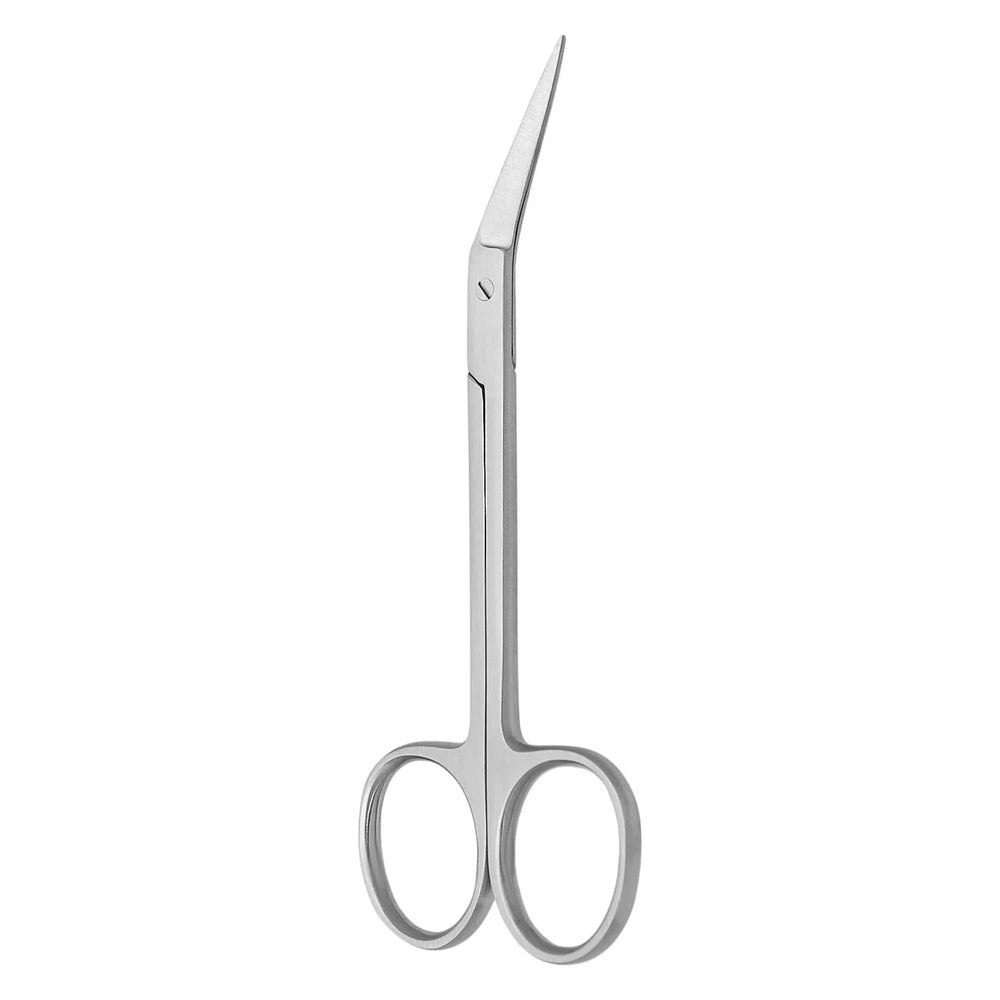
Sono utili i modelli che stanno bene in mano, hanno anelli più lunghi o una forma ergonomica e tagliano in modo pulito senza grande sforzo. La combinazione di impugnatura più lunga e lama curva raggiunge meglio le zone delle dita delle mani e dei piedi senza doversi piegare molto. Per approfondire: Tagliare le unghie con una forza della mano ridotta.
Per i mancini
Nelle forbicine affilate per mancini la lama è forgiata a specchio. La vista sul filo di taglio è nettamente migliore, la sensazione in mano più naturale – il lavoro risulta meno contorto e si producono meno tagli sbagliati.
Si possono portare forbicine per cuticole nel bagaglio a mano?
Valgono le stesse regole delle altre piccole forbicine cosmetiche: le lame fino a un massimo di 6 cm sono di norma consentite. Poiché le forbicine per cuticole sono costruite per la manicure di precisione, le lame restano di solito nettamente al di sotto. Dettagli nella guida Forbicine per unghie nel bagaglio a mano.
Cura e mantenimento del filo
- Dopo ogni uso asciugare con un panno e lasciare asciugare completamente. L’umidità residua nello snodo è la causa più frequente di macchie di ruggine.
- Non come forbicine per unghie, non per i cerotti, non per la carta.
- Delle buone forbicine si possono riaffilare invece di essere sostituite.
- Conservarle separate dagli altri strumenti, affinché la punta non urti.
Conclusione
- Tenete al lavoro di dettaglio? Allora superappuntite.
- Le preferite comode e intuitive? Allora curve.
- Lavorate ogni giorno e molto? Allora a punta a torre oppure forbicine per cuticole a molla.
- Un solo strumento per i viaggi? Allora le forbicine combinate.
In ogni caso vale la pena di avere forbicine inossidabili con affilatura di alta qualità – si possono riaffilare e vi accompagnano per anni.
Altre guide all’acquisto
- La migliore tronchesina per cuticole – larghezza di taglio e utilizzo
- Le migliori forbicine per unghie – forme e affilatura a confronto
- La migliore tronchese per unghie – demoltiplica, tipo di molla e forma del tagliente
- Il miglior tagliaunghie – modelli a confronto
- Le migliori forbicine per unghie dei piedi – per unghie spesse e per anziani
- La migliore lima per unghie – vetro, zaffiro, metallo e ceramica
- La migliore pinzetta – per sopracciglia, peluria del viso e schegge
- Il miglior set da manicure – che cosa deve contenere
Categorie correlate: Forbicine per cuticole, Tronchesine per cuticole, Coltellini per cuticole, Spingicuticole, Forbicine per mancini
Prodotti correlati
 Forbicine per pelle extra lunghe & superappuntite14,99 €
  Forbicine per pelle Dovo – per cuticole & pellicine | Made in Solingen38,90 €
  Forbicine per pelle - lama a punta a torre10,99 €
  Forbicine per pelle Ruck a punta a torre39,95 €
  Forbicine per pelle Titanium oro - a punta a torre45,90 €
  Forbicine per cuticole a molla lunghe & punta extra fine5,99 €
  Forbicine combinate per unghie & pelle curve12,99 €
  Forbicine per pelle lunghe & angolate10,99 €